

5 Ways Mobile Dictation Improves Professional Productivity
Posted by Beth Stapleton on 6th Apr 2026
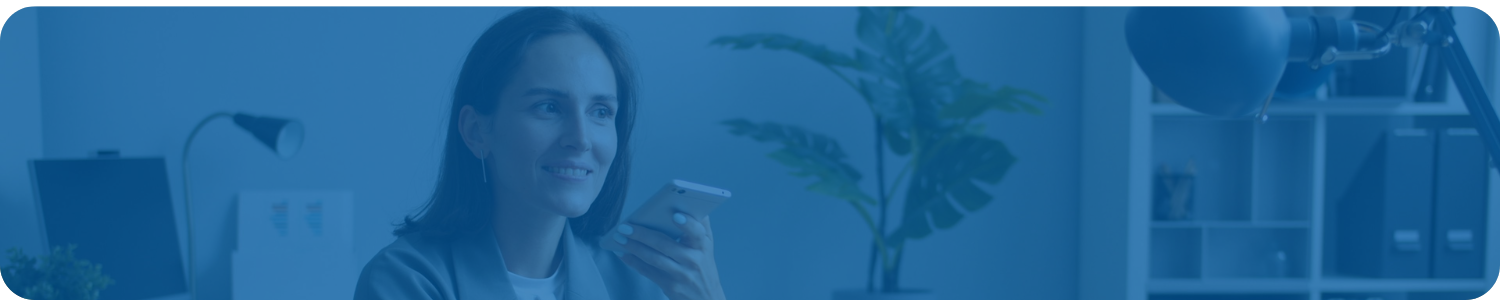
Across legal, healthcare, public safety, and business environments, professionals are being asked to do more—faster, more accurately, and often while on the move. Mobile dictation technology has emerged as a powerful tool to support these demands by turning spoken words into secure, usable documentation anytime, anywhere.
Here are five key ways mobile dictation is transforming professional workflows.
1. Faster Documentation Anywhere
Mobile dictation allows professionals to capture notes, reports, and observations immediately, whether they’re in the field, between meetings, or leaving a facility. Instead of waiting to return to a workstation, users can dictate on the spot, reducing delays and forgotten details.
- Lawyers can dictate case notes immediately after hearings
- Clinicians can capture observations right after patient interactions
- Officers can record incident details at the scene
2. Improved Accuracy and Detail
Speaking is often faster and more detailed than typing. Mobile dictation enables users to capture nuance, context, and complete thoughts while information is still fresh, reducing omissions and follow-up corrections later.
For regulated industries, improved accuracy also supports better compliance and documentation standards.
3. Reduced Administrative Burden
Documentation is essential, but it shouldn’t take time away from core responsibilities. Mobile dictation streamlines administrative work by:
- Cutting manual typing time
- Reducing after-hours paperwork
- Allowing staff to focus on higher‑value tasks
This is especially valuable in healthcare and public safety, where documentation demands can contribute to burnout.
4. Secure, Compliant Workflows
Modern mobile dictation solutions, like ECMS and PremierScribe, are designed with security in mind, offering encryption, access controls, and audit trails. This ensures sensitive information, such as medical records, legal notes, or investigative details, remains protected while supporting industry-specific compliance requirements.
5. Seamless Integration With Existing Systems
Today’s mobile dictation tools integrate with case management systems, EHRs, document management platforms, and records systems. This eliminates duplicate data entry and streamlines workflows from dictation through final documentation.